Logo GRAND LODGE OF
ANCIENT FREE AND ACCEPTED MASONS
IN BULGARIA (GLAFAM)
founded on September 20, 1997

Discourse

The dormitory as a Masonic building

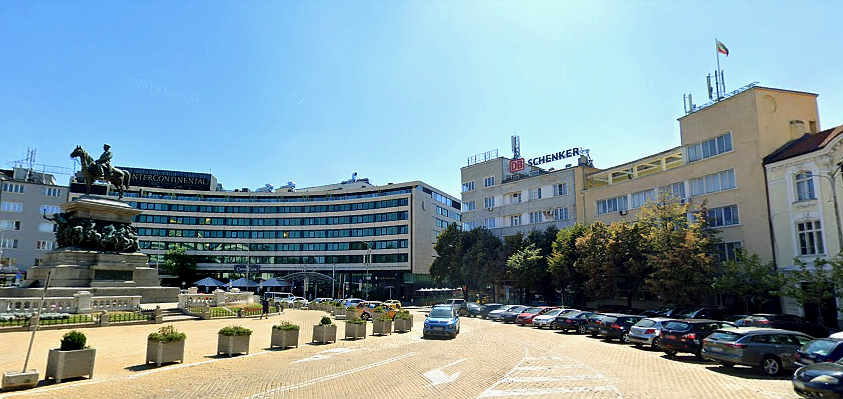
Respected and venerable Brethren in all your degrees and qualities, With the current building, I would like to draw your attention to the National Student Dormitory, located at Narodno Zabrinie Square No. 10 in the city of Sofia. The home is an emblematic Masonic building for Bulgaria. The Masonic brothers are his ideological fathers - the chairman of the "Student Club", later the chairman of the Union of Bulgarian Writers - Brother Stiliyan Chilingirov from the "Svetlina" lodge and his long-time mentor, the Minister of Public Education, the public figure Prof. Ivan Shishmanov, who entered as a Mason in the Apollo Lodge in Leipzig in 1886. A number of the key advocates for the building and development of the House from the academic and public sector in the period 1904-1944, who will be discussed in the present building, were initiated into Freemasonry. Even the builder of the building - the entrepreneur and prominent figure of VMRO - Lazar Kiselinchev, was a member of the Masonic lodge "Zora", and his great-grandson is today a member of S.L. "Ekhnaton" in the composition of VLSSPZvB. The Masonic thread in the construction of the Student House remains unknown to the general public, despite academic studies on the subject of the building of the House, among which Prof. Plamen Doinov's "Book on the Student House" from 2004 and "The House and the University. Shared stories from the Kingdom of Bulgaria" by Dr. Christian Daskalov from 2021. Therefore, many unenlightened people would see in emphasizing this thread an attempt to give an extraordinary importance to circumstances and interrelationships, beyond their inherent importance. Was the construction of the Student House - this emblematic cultural and educational center for several generations of Bulgarians - not the result of a random set of circumstances? We verify this hypothesis, stepping only and only on indisputable archival data, and relying that the same will lead us on the path leading to Truth and Light. The cause of the construction of the Student House dates back to the academic year 1903/1904, when, on the initiative of Stiliyan Chilingirov and Ivan Shishmanov, a Fund for the construction of the House was created. In 1910/1911, a Citizens' Committee was established and appointed to manage this Fund and future construction. The cause entered its decisive phase after the end of World War I, when a large-scale fund-raising campaign was launched both at home and abroad. To the extent that the scale of the campaign suggests the unification of many citizens around it, such voices would be heard as well, which claim that the gathering of Masonic Brothers behind the cause is a natural extension of its massification. In fact, in 1920, the Freemasons in the Grand Lodge of Bulgaria were not numerous at all - they were only 120. At that time, still, the first priority was the goal of the quality selection of the Brothers - "not numerous, but educated, elite and quality, familiar with the spirit and rituals of the community" - a quote from the council documents of the VLB from 1924. According to a publication in "Svoboden zidar", cited in the book "100 Famous Persons from Bulgarian Freemasonry", out of 294 Freemasons in 1924, 38 were large merchants , 13 – bank directors, 7 – industrialists, 12 – officers, 11 – public figures, 7 each – professors and diplomats, 30 – lawyers, 8 – journalists, 23 – doctors and dentists, 7 – pharmacists and druggists, 14 – engineers and architects, 77 – clerks, 21 – teachers, 3 – clergy, 4 – artists, 5 – printing house owners. It would hardly be by chance that the "Citizens' Committee for the Construction of the Student House" would fill its ranks with Masonic Brothers, in view of their fragmentation in social and economic spheres and their comparative smallness against the background of the scale of the respective guilds. The leadership of the "Citizen Committee", at various stages of its work, is subordinated to the initiates in the Masonic Brotherhood, the rectors of Sofia University listed here chronologically, Professors Alexander Tsankov, Vladimir Alexiev, Gavril Katsarov, Bogdan Filov, Mikhail Arnaudov, Alexander Stanishev, Yanaki Mollov, Protopresbyter Stefan Tsankov, Stefan Angelov. Those of them who led the University from the year of completion of the main construction works and the building was put into partial operation (1933), until the end of World War II, were also de jure leaders of the Student House, as far as law The Bulgarian Parliament determines that the House will be run by the Rector of Sofia University. Ot sredite na Masonstvoto sa i profesorite – zastŭpnitsi za kauzata za postroyavaneto na Student·skiya dom – Aleksandŭr Balabanov, Asen Zlatarov, Georgi Danailov, Vladimir Mollov, Petko Staĭnov. Poslednite trima, v tretoto pravitelstvo na Brat Andreĭ Lyapchev, nasiteno s prisŭstvieto i na drugi Bratya kato spomenatiya veche prof. Tsankov – ministŭr na narodnoto prosveshtenie i Atanas Burov – ministŭr na vŭnshnite raboti, imat sŭshtestvena zasluga za otpochvaneto na stroezha na Student·skiya dom, otbelyazano sŭs spetsialna tseremoniya po polaganeto na osnovniya kamŭk na sgradata i s praznichen vodosvet, ot·sluzhen ot Sofiĭskiya mitropolit Stefan na 30 maĭ 1931 g. Tŭkmo prof. Danailov, v kachestvoto mu na ministŭr na obshtestvenite sgradi, sŭvmestno s ministŭra na dŭrzhavnite imoti, Brat Grigor Vasilev ot lozha „Zora“, predlagat na Narodnoto sŭbranie da se otpusne dŭrzhavniya imot na pl. „Narodno sŭbranie“ № 10 kato naĭ-tsentralen i predstavitelen za kauzata na studentite. I dokato spravedlivata i polezna rabota na Bratyata Masoni, idvashti ot sredite na akademichnata i dŭrzhavna vlast, e ochevidna, edna ogromna nevidima rabota e izvŭrshena ot Brat Asen Zlatarov ot lozha „Zora“ – zadŭlbochen uchen-khimik, s golyamo vliyanie v sredite na togavashnata levitsa. Bezsporen avtoritet sred svoite studenti, toĭ biva vŭzpriet za stozher na sotsialisticheskata akademichna mladezh. Zastavaĭki zad kauzata na Student·skiya dom, progresivniyat obshtestvenik ya pravi bezsporna v sŭzdanieto i pametta na mladite sotsialisti, nishto che neĭniyat motor sa mladite natsionalisti ot BNSS. Eto kakvo pishe predsedatelyat na Sŭyuza na bŭlgarskite khimitsi vŭv v-k „Student·ska tribuna“ prez 1930 g.: „Neka da pomognem na studentite v tyakhnoto blagorodno usilie da vidyat naĭ-posle svŭrsheno delo toya Student·ski klub, kŭdeto shte nameri bŭlgarskiyat student obstanovka za zdrav trud, za povechko radost i za razrastvane na grazhdanski dobrodeteli!“. Zasluga v tova otnoshenie ima i edin ot vidnite bankeri v mezhdunarodnoto Masonstvo, Angel / Anzhelo Kuyumdzhiĭski, koĭto ot 1937 g. natatŭk finansira izkhranvaneto na stotitsi bedni studenti v stolovata v suterena na Student·skiya dom. Tazi stolova, vŭpreki napregnatata obshtestveno-politicheska obstanovka v predvoenniya period, e poverena za upravlenie na levicharskata student·ska kooperatsiya „Menza Akademika“. Ako lyavata akademichna mladezh ne be pripoznala Student·skiyat dom kato svoĭ, edva li tya shteshe da se prebori za prosŭshtestvuvaneto mu v godinite neposredstveno sled kraya na Vtorata svetovna voĭna, kogato Narodnata armiya pravi opit da si prisvoi sgradata na Doma, a povecheto obshtestveni kauzi otpredi 9-i septemvri bivat otrecheni kato „burzhoazna otzhivelitsa“ ili napravo zakleĭmeni za „monarkhofashistki“. Drug ot Bratyata, koĭto izgrazhda „mostove“ kŭm Student·skiya dom po koito mostove preminavat khora i organizatsii s raznoposochni interesi i mirogledi, e Sofiĭskiyat mitropolit, Ekzarkh Stefan I – ednovremenno arkhiereĭ i dukhovnik, knizhovnik i obshtestvenik, koĭto e priobshten kŭm Brat·stvoto na svobodnite zidari v London. Toĭ sŭdeĭstva Sofiĭskata mitropoliya i Sv. Sinod da podpomognat finansovo i moralno aktsiyata za sŭbiraneto na sredstva za Student·skiya dom. Otzovava se i na molbata na vestnik „Student·ska borba“ i predostavya nasŭrchitelen tekst za negoviya spetsialen broĭ ot 1930 g., posveten na Student·skiya dom, kŭdeto pishe che idealŭt na gradezha se sŭdŭrzha v sformiraneto na „zhiva i deĭna akademicheska chelyad, gdeto obshtezhitieto i vzaimopomoshtta shte tvoryat zdrava nauka, blagoroden zhivot i sluzhenie pred oltara na otechestvoto, tsŭrkvata i obshtochoveshkiya ideal za mir i sŭvŭrshenstvo“. Za razlika ot chast ot visshite arkhierei, mitropolit Stefan e blagosklonno nastroen kŭm deĭnostta v Bŭlgariya na mezhdunarodnata mladezhka khristiyanska ikumenicheska asotsiatsiya „YMCA“, koyato e zakleĭmena ot togavashniya Varnenski i Preslavski mitropolit Simeon kato namirashta se „pod vliyanieto na svetovnoto Masonstvo“, „inspirirana ot protestant·skoto veroizpovedanie“ i predstavlyavashta „nov nepriyatel v pravoslavna Bŭlgariya“. Vŭpreki kritikite, mitropolit Stefan ne samo privet·stva oglavyavanata ot misionera i nobelov laureat za mir Dzhon R. Mot mrezha ot mladezhki khristiyanski druzhestva, no i zastava nachelo na mladezhkoto khristiyansko dvizhenie v Bŭlgariya, prevrŭshtaĭki se v negov patron. Dzhon Mot e v osnovata i na oshte edna, sestrinska na YMCA organizatsiya, koyato deĭstva paralelno na neya, no s fokus vŭrkhu akademicheskata mladezh – uchredenata ot nego prez 1895 g. „Svetovna student·ska khristiyanska federatsiya“ (WSCF). WSCF sŭzdava prez 1920 g. khumanitarnata initsiativa za mezhdunarodna student·ska vzaimopomosht „European Student Relief“, chiyato osnovna tsel e materialnoto podpomagane na studentite ot pobedenite v Pŭrvata svetovna voĭna dŭrzhavi. Показване на още 4 665 / 5 000 Among the Freemasonry are the professors - advocates for the cause of building the Student House - Alexander Balabanov, Asen Zlatarov, Georgi Danailov, Vladimir Mollov, Petko Stainov. The last three, in the third government of Brother Andrey Lyapchev, imbued with the presence of other Brothers such as the already mentioned Prof. Tsankov - Minister of Public Education and Atanas Burov - Minister of Foreign Affairs, have a significant merit for starting the construction of the Student House, noted with a special ceremony for the laying of the foundation stone of the building and with a celebratory water dedication, performed by Metropolitan Stefan of Sofia on May 30, 1931. Just Prof. Danailov, in his capacity as Minister of Public Buildings, together with the Minister of State Properties, Brother Grigor Vassilev from the "Zora" lodge, propose to the National Assembly to allocate the state property at "National Assembly" square No. 10 as the most central and representative for the students' cause. And while the just and useful work of the Freemason Brothers, coming from the circles of academic and state power, is obvious, a great invisible work was done by Brother Asen Zlatarov of the Zora Lodge - a profound scientist-chemist, with great influence in the circles of the then left. Undisputed authority among his students, he is perceived as a pillar of the socialist academic youth. Standing behind the cause of the Student House, the progressive public figure makes it undisputed in the creation and memory of the young socialists, never mind that its motor is the young nationalists from the BNSS. This is what the chairman of the Union of Bulgarian Chemists wrote in the "Student Tribune" in 1930: "Let us help the students in their noble effort to finally see this Student Club completed, where the Bulgarian student will find an environment for healthy work, for more joy and for the growth of civic virtues!". One of the prominent bankers in international Freemasonry, Angel / Angelo Kuyumdzhiyski, who from 1937 onwards financed the feeding of hundreds of poor students in the canteen in the basement of the Student House, also deserves credit in this regard. This canteen, despite the tense socio-political situation in the pre-war period, was entrusted to the management of the left-wing student cooperative "Menza Akademika". If the left academic youth had not recognized the Student House as their own, it is unlikely that they would have fought for its survival in the years immediately after the end of the Second World War, when the People's Army tried to appropriate the building of the House, and most public causes before 9 - and September are denied as "bourgeois old-fashioned" or outright branded as "monarcho-fascist". Another of the Brothers, who builds "bridges" to the Student House, over which people and organizations with diverse interests and worldviews cross, is the Metropolitan of Sofia, Exarch Stefan I - both a bishop and a clergyman, a writer and a public figure, who is associated with the Brotherhood of Freemasons in London. He cooperates with the Sofia Metropolitanate and St. Synod to financially and morally support the campaign for the collection of funds for the Student House. He also responded to the request of the Student Struggle newspaper and provided encouraging text for its 1930 special issue dedicated to the Student House, where he wrote that the ideal of the building consisted in the formation of a "living and active academic community, where the dormitory and mutual assistance will create a sound science, a noble life and service before the altar of the fatherland, the church and the common human ideal of peace and perfection". Unlike some of the higher bishops, Metropolitan Stefan is favorably disposed to the activity in Bulgaria of the International Youth Christian Ecumenical Association "YMCA", which was denounced by the then Metropolitan Simeon of Varna and Preslav as being "under the influence of world Freemasonry", "inspired" from the Protestant faith" and representing "a new enemy in Orthodox Bulgaria". Despite the criticism, Metropolitan Stefan not only welcomed the network of youth Christian societies headed by the missionary and Nobel Peace Laureate John R. Mott, but also stood at the head of the youth Christian movement in Bulgaria, becoming its patron. John Mott is also at the heart of another YMCA sister organization that operates parallel to it, but with a focus on academic youth - the World Student Christian Federation (WSCF), founded by him in 1895. WSCF created in 1920 the humanitarian initiative for international student mutual aid "European Student Relief", whose main goal is the material support of students from the countries defeated in the First World War. This pacifist initiative, which grew into a company under the name "International Student Service" (ISS), voted at its congress in Chartres in 1928 a decision to allocate 15,000 dollars (equivalent to 2.1 million leva at the time) for the construction of the Student House in Sofia under the condition that an additional 11,000 dollars (or another 1.6 million BGN) is raised in Bulgaria. At the beginning of 1931, this condition was fulfilled, thanks to the diligent fund-raising work of the Civic Committee for the construction of the Student House and the Bulgarian National Student Union, whose patron is H.V. Tsar Boris III. On 30.05.1931, ISS handed over to the Civic Committee the check for the amount of BGN 2.1 million, collected from among the students from 16 countries around the world. Thus, only 2 years later, the Student House became a reality, although funds continued to be collected for its complete completion and furnishing until the early 1940s. The process of its constant renewal continues to this day. brothers, The current construction shows that in a period of nearly four decades, the Fraternal Chain united around the cause of building the Student House many people and organizations, many of whom have such diverse social and political interests that the unenlightened observer would not discover the hidden logic of interaction between them , if it were not for the historical sources of Bulgarian Freemasonry. But even without these sources, we know that causes are revealed by effects, as Archangel Raphael says in the 28th degree initiation ceremony of the Old and Accepted Scottish Rite. Because of the effects we can understand the causes by analogy and thus discover the unknown secrets of the effects. The construction reveals to us that there is nothing accidental in the cooperation of the members of the Masonic Brotherhood in Bulgaria, and also in the world, on the occasion of the ten-year work on the construction of the Student House. Unless we change our perspective and look at randomness as the intersection of several regular phenomena. Because as the sages say, the mask that the creator of this world puts on in order not to be recognized is called chance. The idea of ​​a Club, of a Home, where, in the words of His Majesty Tsar Boris III, to strengthen and unite the hearts and minds of healthy and well-educated citizens of Bulgaria, who tomorrow, working for the Motherland, will be good warriors in international cooperation for peaceful common human progress , is related to the ideas of Freemasonry, completely in the spirit of universal human morality, which does not oppose religious, racial, national and worldview differences. The work on the construction of the Student's House is entirely in fulfillment of the Masonic obligation, emphasized in the elevation to the 18th degree of the Old and Accepted Scottish Rite, namely - to practice such virtue as can bear fruit. brothers, For the architectural and artistic merits of the Student House building, which has been declared a cultural monument in the best traditions of Bulgarian modernism, including a separate building can be made for the Masonic symbolism finely woven into the interior of the building - in its black and white checkerboard mosaic floors. For the fair social, educational and cultural activities developed in the Student House over the decades, including and today, it can be written, and a lot has been written. There are over 400 media publications on the topic since 2018 alone. The conclusion of the history of the Student House, however, is one basic one. And he is that if we work on Building in Harmony and with diligence, there is no doubt that we will be able to achieve the desired results. Because they are a consequence of the work we have done and we must strive to deserve them. In praise of the Great Architect of the Universe, Builder of All Worlds, and with Fraternal greetings, Brother D.H. S.L. Akhenaten January 17, 2023